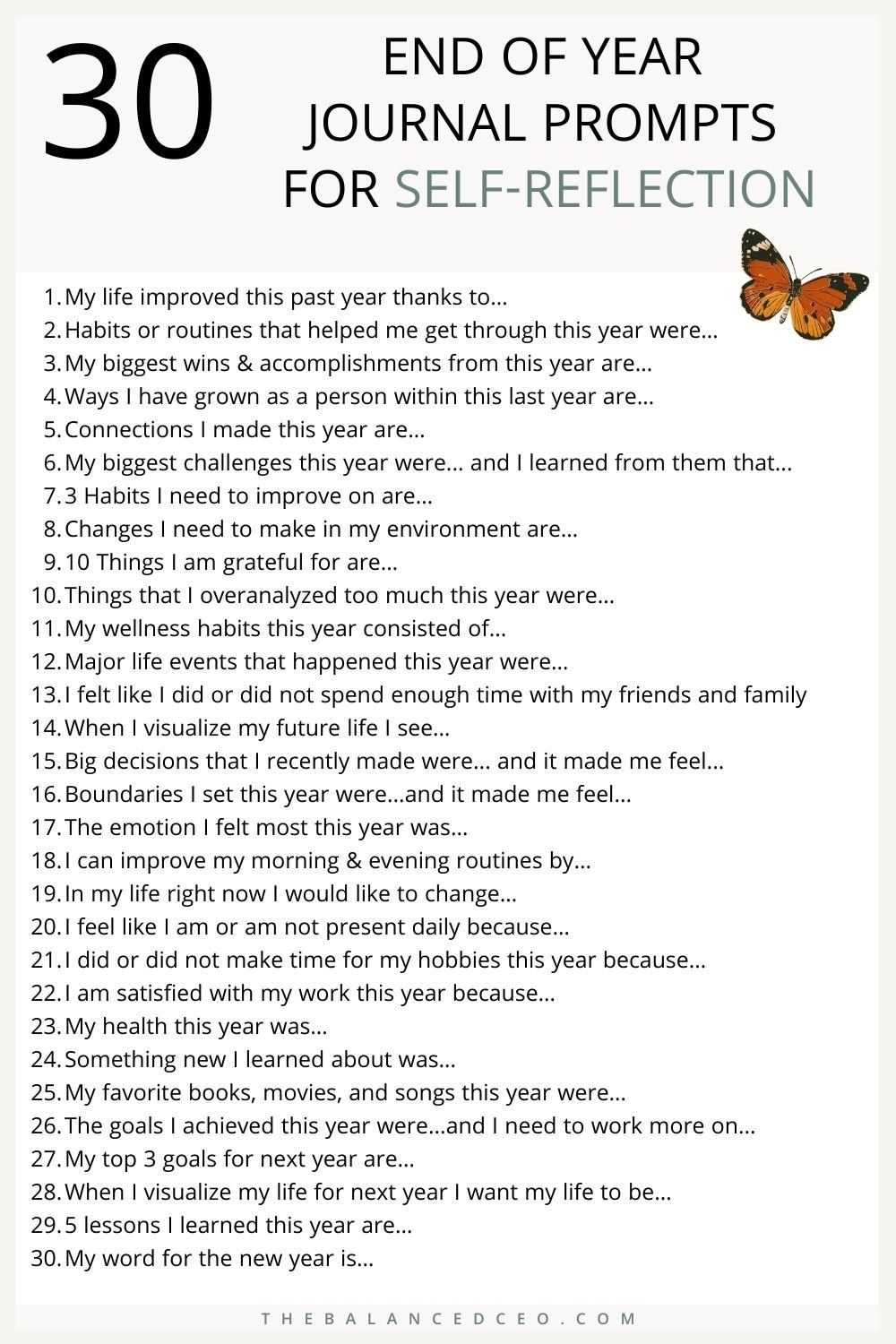
When life feels like a blur of to-dos and external demands, taking a deliberate pause for Self-Reflection & Journaling Prompts can be a profound act of self-care. It’s not about finding grand answers overnight, but about gently peeling back layers to understand what truly nourishes you, what drains you, and how you can live a life more aligned with your deepest values. Think of it as your personal compass, guiding you through the complexities of modern existence toward a more authentic, resilient, and growth-oriented self.
This isn't just about jotting down thoughts; it's a structured inquiry into your inner landscape, designed to foster genuine self-discovery and lasting personal growth.
At a Glance: Your Journey to Self-Discovery
- Why Journal? Boosts self-awareness, personal growth, emotional regulation, and even performance. It's active learning, not just passive thinking.
- Keep it Simple: Dedicate 10-15 minutes, 3-4 times a week. Consistency beats perfection.
- Your Sacred Space: Find a calm spot, minimize distractions, and choose tools that feel good – pen and paper, or a simple digital app.
- Prompts are Your Guides: Focus on one or two prompts per session. Don't overthink; just write.
- Get Specific: Details make insights stick. Mention names, places, feelings, textures.
- Actionable Insights: End each session with one key takeaway and a tiny, implementable micro-action.
- Ground Yourself: If feelings get intense, use the 5-4-3-2-1 sensory scan to re-center.
- No Pressure, No Perfection: Messy notes, bullet points, even doodles are perfectly fine. This is for you, not an audience.
Why Bother with Self-Reflection? The Science & Philosophy Behind the Practice
You might wonder if scribbling in a notebook truly makes a difference beyond venting. The answer, backed by both ancient wisdom and modern science, is a resounding yes. Self-reflection is far more than idle introspection; it's an active, deliberate practice with tangible benefits for your mind, body, and overall well-being.
The Cornerstone of Learning and Growth
Renowned organizational theorists Donald Schön and Chris Argyris championed reflective practice as crucial for professional development. They argued that true learning happens not just by doing, but by reflecting on what you’ve done, asking "What did I do? Why did it work or not work? What could I do differently next time?" This isn't passive rumination; it's a proactive quest for understanding and improvement. Studies corroborate this, showing that just 15 minutes of daily reflection can boost performance by a remarkable 23% over ten days, turning experiences into lessons.
Bypassing Mental Roadblocks
Ever feel stuck, caught in "analysis paralysis"? Prompts offer a cognitive structure that can bypass those mental blocks. By activating your prefrontal cortex – the brain's executive control center – structured journaling aids in decision-making and self-regulation. It helps you organize your thoughts, see patterns, and untangle complex emotions, leading to clearer thinking and more decisive action.
Real-World Health Benefits
The power of structured writing extends to your physical health. Research by psychologist James Pennebaker reveals that expressive writing can reduce stress hormones, strengthen immune function, and even help individuals reframe negative experiences. It provides an outlet for processing difficult emotions, which, if left unaddressed, can manifest as physical tension or illness. When you name your feelings, you begin to tame them.
Reflection vs. Rumination: A Critical Distinction
This is a vital point: self-reflection is not rumination. While both involve thinking about your experiences, their focus and outcomes are vastly different.
- Reflection asks, "What can I learn from this? How can I grow?" It's forward-looking, problem-solving, and growth-oriented.
- Rumination, on the other hand, is repetitive, negative thinking that often asks "Why me?" or "What if?" It’s dwelling on past mistakes or future worries without seeking solutions, and research by Susan Nolen-Hoeksema indicates it can increase the risk of depression.
Journaling prompts are specifically designed to guide you toward productive reflection, steering you away from the stagnant waters of rumination.
Echoes Through History
The practice of self-reflection through writing is far from new. From the Stoic philosophers like Marcus Aurelius, whose "Meditations" were essentially his personal journal entries, to Buddhist traditions that employ Zen koans to provoke deep thought, and modern psychology exemplified by Carl Rogers' emphasis on self-congruence, humanity has long understood the transformative power of looking inward. Your journal is a direct lineage to these ancient and modern wisdom traditions.
Setting the Stage for Honest Self-Discovery: Your Journaling Toolkit
Ready to dive in? Great. But before you start writing, let's talk about creating the right environment and routine. This isn't about rigid rules, but about crafting a sustainable practice that serves you.
Frequency and Duration: Small, Consistent Wins
Don't feel pressured to journal every day for an hour. That's a recipe for burnout. Instead, aim for:
- 10-15 minutes, 3-4 times a week. This creates a consistent rhythm without feeling overwhelming.
- If you're short on time, even 5 minutes can be incredibly valuable. The key is showing up.
Your Personal Sanctuary: Environment Matters
Where you journal can significantly impact the quality of your reflection.
- Minimize Distractions: Put your phone on silent or in another room. Close unnecessary tabs on your computer.
- Set a Timer: This helps you stay focused and prevents the session from stretching into an obligation.
- Create Calm: Light a candle, make a cup of tea, play some gentle instrumental music, or simply sit in silence. Whatever helps you feel grounded and present.
Choosing Your Tools: Analog or Digital, Your Call
There's no "right" tool, only the one that works best for you.
- Physical Notebook & Pen: Many find the tactile experience of pen on paper more meditative and less distracting. Choose a notebook that feels good in your hands and a pen you love to write with.
- Simple Digital Notes App: If you prefer typing, a basic app like Apple Notes, Google Keep, or a plain text editor works perfectly. Avoid apps with too many features that could pull your focus.
- Prioritize Ease of Use: The best tool is the one you'll actually use consistently.
The Magic of Specificity: Details Make the Difference
When you write, try to be as specific as possible. Instead of "I had a bad day," write: "Today, when Sarah criticized my presentation, I felt a knot in my stomach and my jaw clenched. The fluorescent lights in the conference room seemed to hum louder."
- Names, places, textures, smells, exact quotes: These details bring your experience to life on the page, making your insights stick and patterns easier to spot over time.
Beyond the Words: One Key Takeaway & a Micro-Action
Every journaling session should aim to conclude with clarity and a step forward.
- One Key Takeaway: What's the biggest insight you gained from this entry? Summarize it in a sentence or two.
- A Micro-Action: What's one tiny, actionable step (5-10 minutes) you can take based on this takeaway? This transforms reflection into proactive growth. It could be sending an email, taking a 2-minute walk, or simply consciously choosing a different response in a specific situation.
Grounding Yourself: When Heavy Feelings Arise
Sometimes, journaling can unearth intense emotions. If you find yourself feeling overwhelmed or distressed, pause and use this simple grounding technique:
- The 5-4-3-2-1 Sensory Scan:
- 5 things you see: Look around and name five objects.
- 4 things you feel (touch): Notice four things you can touch or feel (e.g., your clothes, the chair, the air).
- 3 things you hear: Listen for three distinct sounds.
- 2 things you smell: Identify two scents, however faint.
- 1 thing you taste: Notice any taste in your mouth, or sip some water.
This technique helps bring you back to the present moment, regulating your nervous system.
Crafting Your Practice: The Art of Asking Better Questions
Prompts are your starting blocks. They offer a direction, preventing that blank page paralysis. Remember, there’s no right or wrong answer. Just let your thoughts flow. Bullet points, messy handwriting, fragments – it’s all welcome here. Focus on exploring, not perfecting. You don't need a random questions generator to get started; the structured categories below will provide ample guidance.
A Rich Tapestry of Prompts: Categories for Every Aspect of Your Life
Here, we'll explore various facets of your existence through targeted prompts. Feel free to jump around or stick to one category for a while.
Mindful Check-Ins & Awareness
These prompts help you tune into your present moment, understanding your current state without judgment.
- What's the predominant emotion I'm feeling right now, and where do I feel it in my body?
- Describe your current energy level on a scale of 1-10. What factors contributed to this?
- What thoughts or worries are currently occupying the most space in my mind? Can I simply observe them without engaging?
- Where am I holding tension in my body? What would it feel like to gently release it?
- What small joys or moments of beauty did I notice today?
- What feels easy and effortless in my life right now?
- What area of my life feels like it needs more attention, and which needs less?
- If my inner voice had a message for me today, what would it be?
- What am I resisting today, and what might that resistance be trying to tell me?
- What is one thing I'm taking for granted that I can appreciate more fully right now?
Values, Meaning & Life Direction
Understanding your core values is like having an internal compass. These prompts help you define them and align your life accordingly.
- Name your top three core values. How did you arrive at these?
- How well are my daily actions currently aligning with my core values? Where are the gaps?
- If I had to make a big decision today, which of my values would I prioritize, and why?
- What does "enough" look like for me in various areas of my life (work, possessions, commitments)?
- What kind of work feels most meaningful to me, regardless of external validation?
- If I could design my ideal future self, what three qualities would she/he embody?
- What legacy do I want to leave, and what small steps can I take today towards it?
- When do I feel most authentic and connected to my purpose?
- What's a belief I hold about life that truly serves me?
- What small contribution can I make to something larger than myself today?
Self-Compassion, Identity & Strengths
Cultivating kindness toward yourself and recognizing your inherent strengths are vital for resilience.
- If a kind friend were experiencing what I am right now, what advice or comfort would I offer them?
- What old narrative or limiting belief about myself am I ready to retire? What new story will I tell?
- Describe a mistake I made recently. What's the lesson here, and how can I practice self-forgiveness?
- What are three unique strengths or talents I possess that I often overlook?
- When do I feel most authentically myself? What does that feel like?
- What message do I need to hear from my past self, and what message do I want to send to my future self?
- How can I show myself a small act of kindness today?
- What's one thing I've accomplished that I'm truly proud of, big or small?
- What does it mean for me to be "enough" just as I am?
- How do I typically respond to criticism (internal or external), and how could I respond with more self-compassion?
Habits, Routines & Energy
Our habits shape our days and our lives. These prompts help you identify what serves you and what drains you.
- What beneficial habits do I already have that support my well-being? How can I reinforce them?
- What are some "shoulds" in my life that drain my energy without providing real value?
- What's one 2-minute action I could take right now to make my day smoother?
- When are my peak energy times, and how can I protect them for my most important tasks?
- What's one routine I could simplify or eliminate to create more space?
- How does my sleep routine impact my energy and mood?
- What is one habit I want to cultivate, and what's the smallest step I can take toward it today?
- What distracts me most from my goals, and what can I do to minimize those distractions?
- How do I recharge my energy most effectively? Am I making time for it?
- What small tweak to my morning or evening routine could have a big positive impact?
Relationships, Boundaries & Communication
Healthy relationships require awareness, clear communication, and defined boundaries.
- Who are the individuals in my life who truly support and uplift me? How can I nurture those relationships?
- What needs am I currently hesitant to ask for help with? Why?
- Is there a conversation I'm avoiding? What's the underlying fear, and what's one tiny step I could take to address it?
- What does a healthy boundary look like for me in a specific relationship, and how can I articulate it kindly but firmly?
- How do I typically communicate my needs and desires? Is it effective?
- What role does forgiveness (of self or others) play in my relationships?
- When do I feel most connected to others?
- What is one thing I admire about a close relationship in my life?
- How can I listen more effectively in my important conversations?
- What am I willing to do to protect my peace and energy in my relationships?
Work, Creativity & Purpose
Exploring your professional life and creative urges can lead to deeper fulfillment.
- Which aspects of my work illuminate me, and which consistently drain my energy?
- What task am I holding onto that I could delegate or automate?
- How can I better utilize my unique voice and perspective in my work or creative endeavors?
- What curiosities am I ignoring that could spark new creative projects or learning?
- How do I personally define "success" in my career, beyond conventional metrics?
- What's a skill I want to develop or a new area of knowledge I want to explore professionally?
- When do I feel most "in flow" or absorbed in my work? What elements are present then?
- How can I bring more creativity into a mundane task?
- What fear is holding me back from pursuing a creative idea?
- If there were no limitations, what kind of work would I be doing?
Money & Resources
Our relationship with money often mirrors our beliefs about worth and security.
- How do my financial habits align with my values? Where are they out of sync?
- What's one small step I can take to calm my money worries or create more financial ease?
- How can I better align my spending with what truly brings me joy and meaning?
- What free or inexpensive joys do I often overlook but deeply appreciate?
- What's a limiting belief I hold about money, and where did it come from?
- How can I cultivate a greater sense of abundance, regardless of my current financial situation?
- What does financial security mean to me personally?
- What is one area where I could simplify my spending to reduce stress?
- How do I currently use my resources (time, energy, money) to support my goals?
- What's one thing I can do today to feel more empowered around my finances?
Body, Health & Regulation
Our bodies are wise, offering constant feedback. These prompts encourage listening.
- What regulating movements or stillness practices help me feel grounded and calm?
- How does my current sleep quality impact my overall well-being? What's one small adjustment I could make?
- What are my common stress responses, and what is one healthy way I can respond instead?
- What does true nourishment mean for my body, beyond just food? (e.g., movement, rest, nature)
- How well am I pacing myself throughout the day, week, or month? Am I honoring my body's need for rest?
- What sensation in my body is asking for my attention right now?
- How does my body communicate its needs when I'm feeling overwhelmed or joyful?
- What's one small, sustainable change I can make to support my physical health?
- When do I feel most vibrant and energized in my body?
- How can I cultivate a more loving and accepting relationship with my physical self?
Past, Present, Future
Reflecting on time helps us learn from our journey, appreciate the now, and intentionally shape what's ahead.
- What's one past experience I now look back on with pride, even if it was challenging at the time?
- What does my future self need from me right now to thrive?
- What's an impactful risk I've taken that taught me a valuable lesson?
- What am I ready to release with gratitude from my past to make space for the new?
- What aspect of my present life would my past self be most surprised or proud of?
- What small action can I take today that my future self will thank me for?
- What limiting belief from my past am I still carrying, and how can I set it down?
- How has a past challenge ultimately made me stronger or wiser?
- What does living fully in the present moment mean to me?
- What seeds am I planting today for the harvest of tomorrow?
Reading & Reflection
Books offer windows into other worlds and ourselves.
- How has a recent book shifted my perspective or challenged a belief?
- Which character in a story (fiction or non-fiction) do I identify with most, and why?
- What are my current reading goals, and how do they connect to my personal growth?
- What influential quotes or passages have resonated with me recently, and why?
- How does reading impact my mood and mental state?
- What book topic am I drawn to right now, and what might that tell me about my current needs?
- How can I integrate what I'm reading into my daily life or reflections?
- What's a book I've reread multiple times, and what keeps drawing me back to it?
- What have I learned about myself through the stories of others?
- How does engaging with literature or non-fiction expand my empathy or understanding of the world?
Quick Prompts for Busy Days
No time for a deep dive? These micro-prompts still offer powerful moments of reflection.
- Today I'm grateful for...
- One thing I'm not doing anymore is...
- I'm proud that I...
- I want more/less of...
- A small boundary I set was...
- The next right tiny step is...
- One kind thing I did today was...
- What's working well right now?
- What energy am I bringing into this moment?
- My intention for the next hour is...
Beyond the Pages: Integrating Insights into Your Life
Journaling isn't just a solo endeavor; its insights ripple out into every area of your life.
- For Students: Journaling improves metacognition – your ability to think about your own thinking. It helps you pinpoint strengths, identify weaknesses, and develop more effective learning strategies.
- For Leaders: Self-reflection builds empathy, emotional intelligence, and resilience, all critical for effective leadership. Understanding your own triggers and values helps you better understand and support your team.
- In Relationships: Journaling can be a safe space to uncover emotional triggers related to conflict, practice forgiveness, and articulate gratitude, leading to healthier, more robust connections.
- For Personal Healing: When used alongside professional therapy, structured writing can be a powerful tool in trauma recovery, helping to process experiences and integrate them into a coherent narrative. It's a supportive practice, not a replacement for professional help.
Navigating the Bumps: Common Pitfalls and How to Avoid Them
Even with the best intentions, journaling can hit snags. Knowing these common pitfalls can help you steer clear.
- The Overwhelm Trap: "There are so many prompts! Do I have to answer them all?" Absolutely not. The vast number of prompts is meant to offer choice, not create pressure. Choose just 2-3 prompts per week that resonate most with you. If you feel like exploring more in one session, go for it, but don't force it.
- The Perfectionism Paradox: "My writing isn't good enough. It has to be profound and well-written." Stop right there. Your journal is for you, not a literary critic. Fragments, bullet points, messy scrawls, doodles, single words – whatever flows is perfect. The goal is honest self-expression, not polished prose. Let go of the need for perfection.
- The Avoidance Reflex: "This prompt feels too heavy/uncomfortable. I'll just skip it." While it's important to respect your emotional boundaries and not push yourself into distress, sometimes resistance is a sign that a prompt holds rich, transformative insight. If a prompt feels "too much," simply note that resistance in your journal. "I'm feeling a lot of resistance to this prompt about X. I wonder why that is." Sometimes, naming the resistance is the first step toward understanding it. If it still feels overwhelming, set it aside for another day, or rephrase it into something gentler.
Your Personal Compass: Moving Forward with Journaling
Self-reflection journaling is more than a trendy habit; it's a fundamental practice for anyone committed to living a more examined, intentional, and fulfilling life. It’s about listening to the quiet wisdom within you, noticing patterns, celebrating your small wins, and consciously choosing tiny shifts that add up to profound transformation.
Think of your journal as a trusted companion, a silent witness to your journey. It doesn't judge, only listens. By consistently showing up for yourself with curiosity and compassion, you're not just filling pages; you're building resilience, sharpening your self-awareness, and ultimately, guiding yourself toward a future that truly reflects who you are and who you aspire to be. Start small, stay curious, and trust the process. Your journey of self-discovery begins with the next blank page.